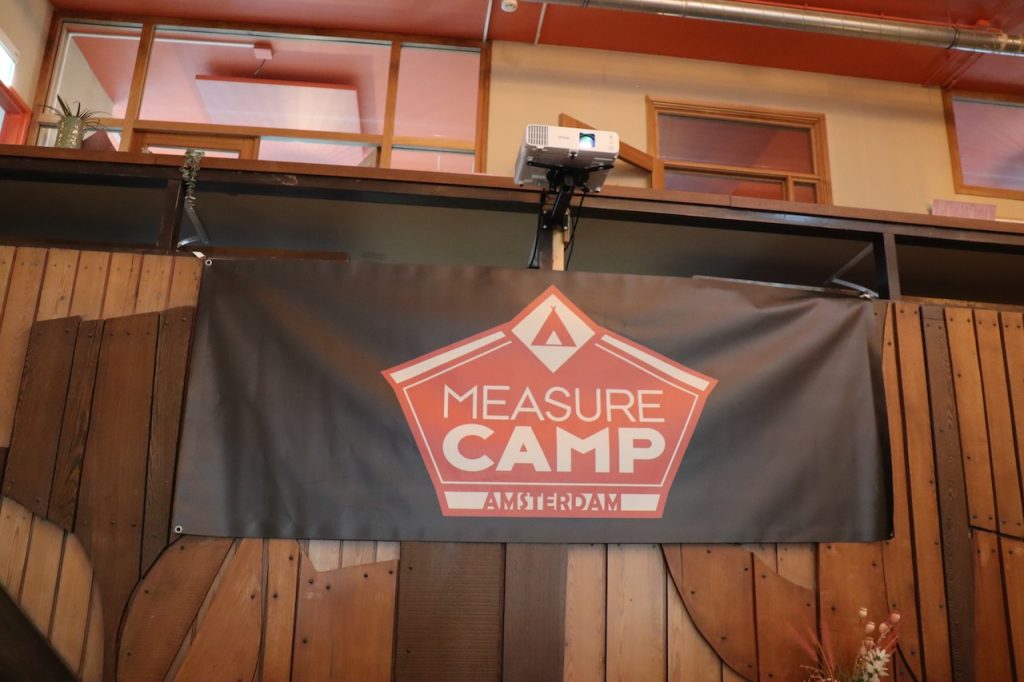
On Saturday, April 18th, MeasureCamp Amsterdam took over House of Watt once again. No pre-defined agenda, no keynotes. Just a group of people who care about data, and a blank schedule board waiting to be filled. And that blank board is the center of one of the most powerful analytics events which I really love.
“Unconference”
If you’ve never been to a MeasureCamp: it’s an unconference instead of a conference. That means the agenda is created during the day by attendees themselves.
At the start of the day only rooms and timeslots are known – none of whom are reserved in advance. Anyone can host a session, start a discussion, or run a workshop. And that is the big difference: instead of polished slide decks and high-level vendor presentations, you get more like:
- Half formed ideas
- Data solutions where they also tell you about their own shortcomings
- Open discussions where people can (and will) disagree.
- Spontaneous ideas that just sprang up at Keukenhof the day before.
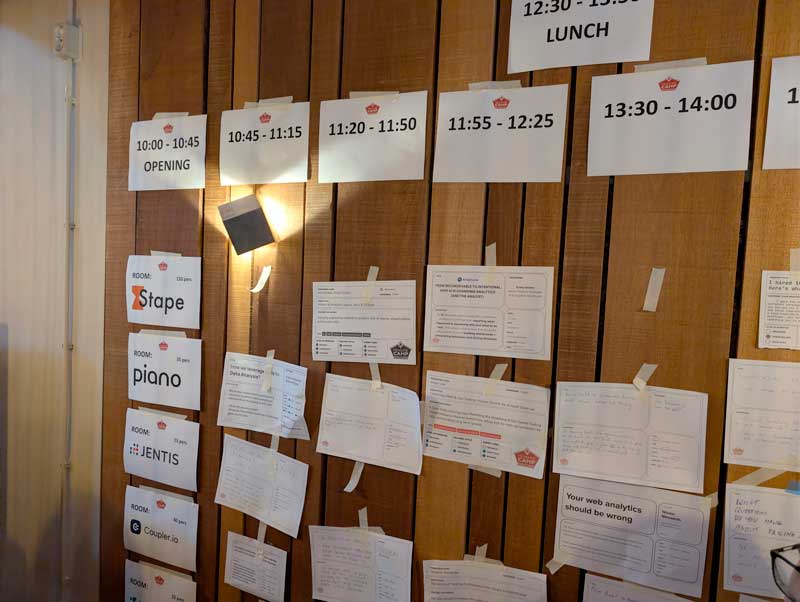
If you have never been there, it might seem very chaotic. But that rawness, combined with the active involvement of participants, is exactly the point:
ideas are still being tested, assumptions get challenged in real time, and people actively build on each other’s thinking.
Because participants aren’t just listening but contributing, you get a much more practical examples, real-life edge cases, failures, and trade-offs that rarely make it into polished talks. It’s less about consuming content, and more about creativity.
You are even encouraged to leave a session if it’s not adding value for you, and join another one instead.
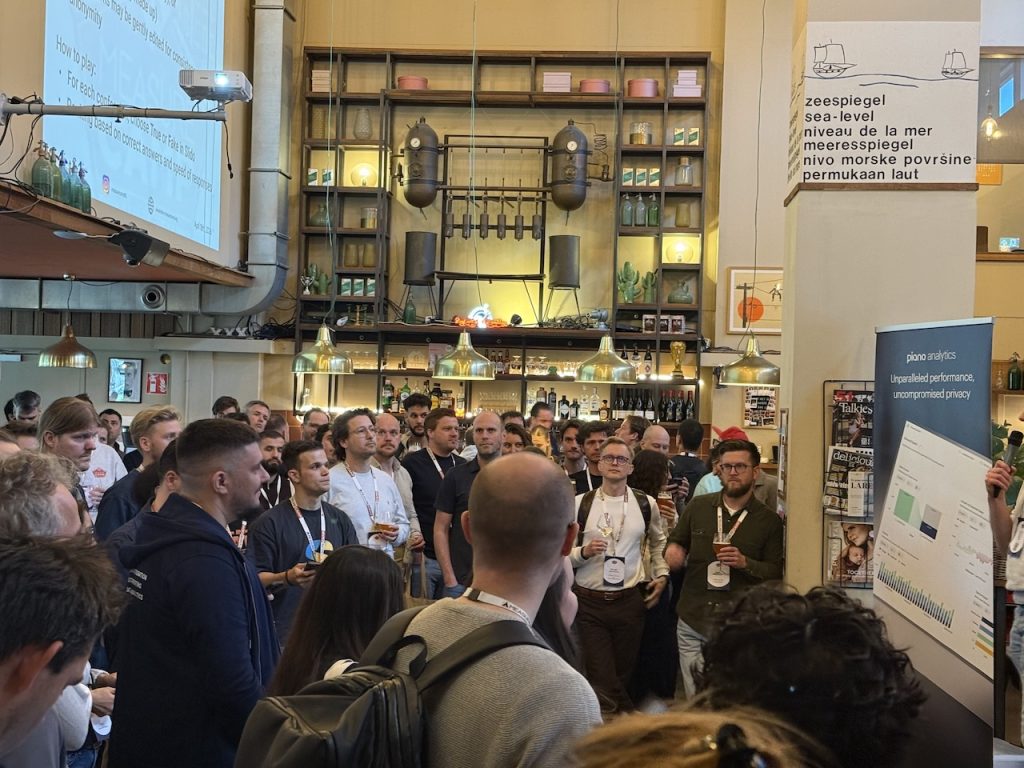
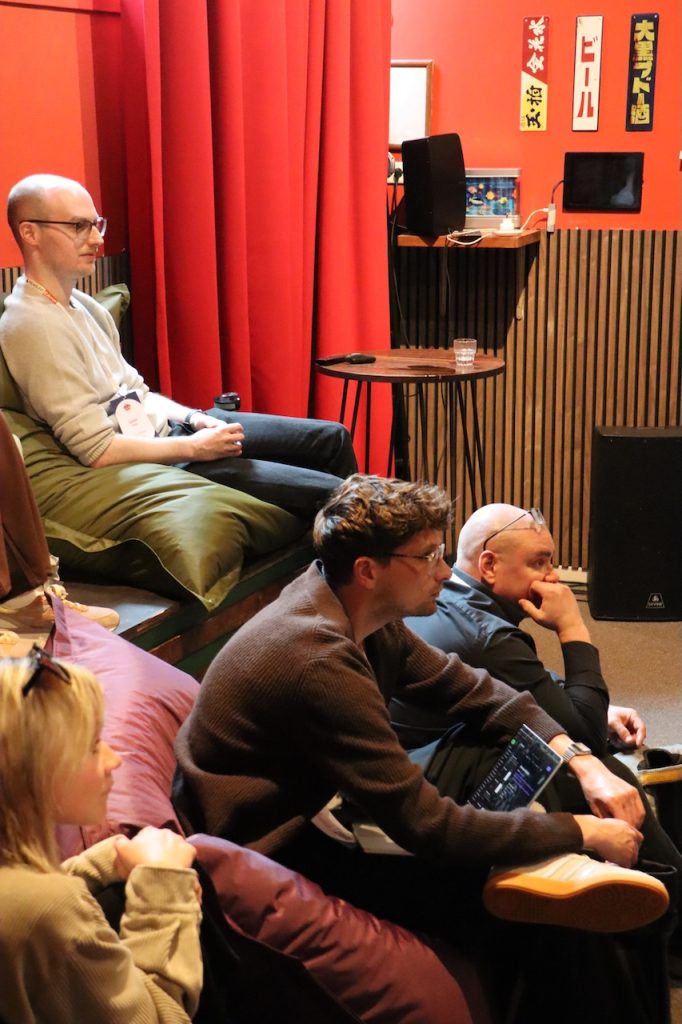
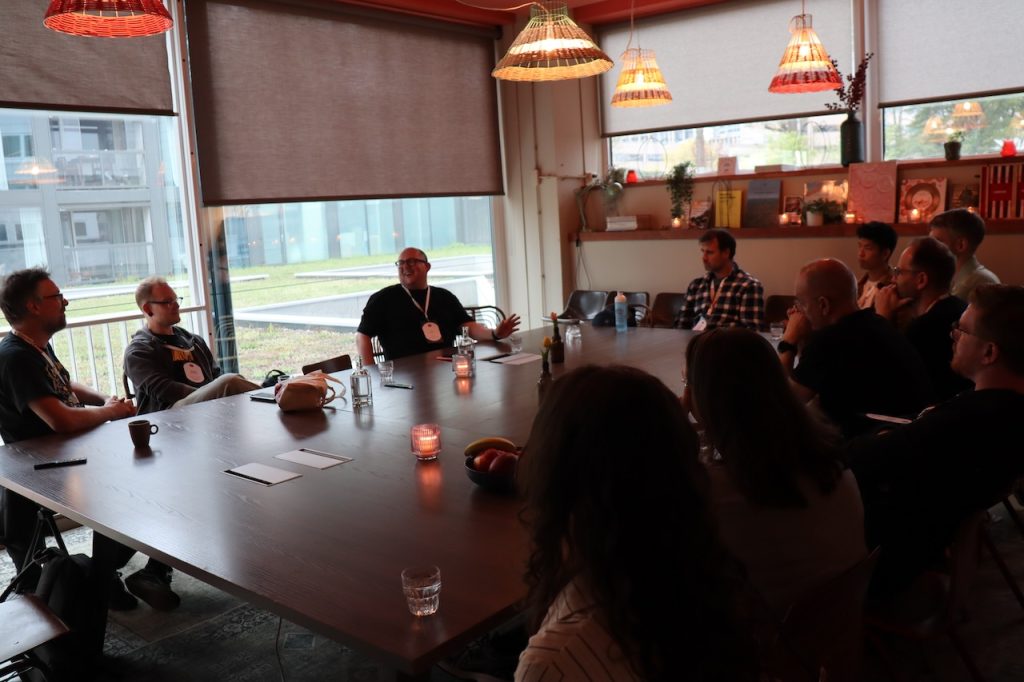
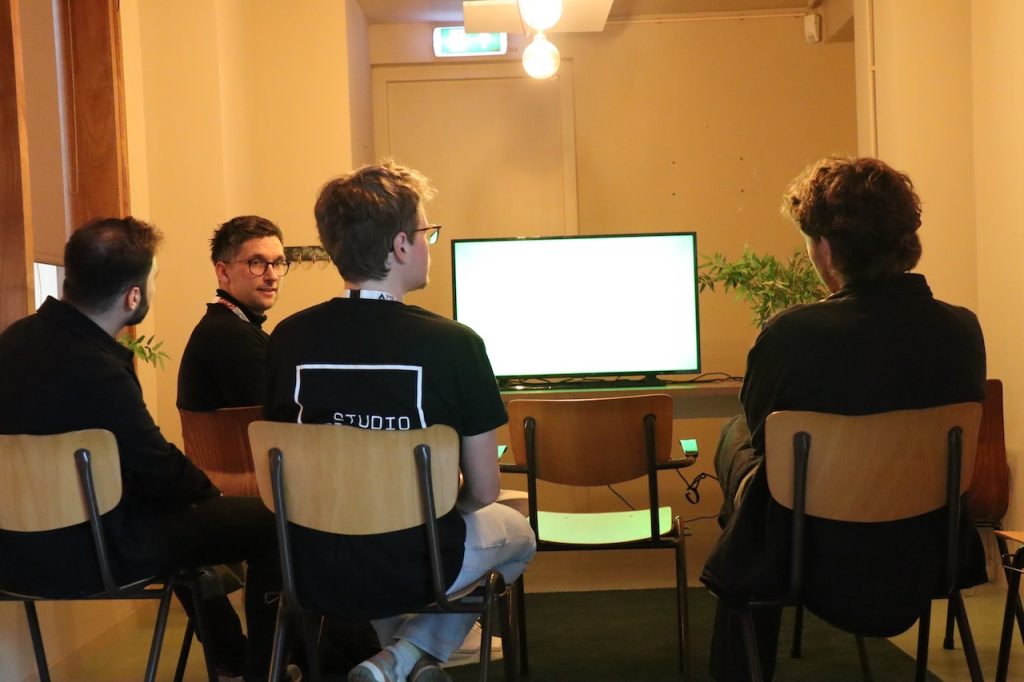
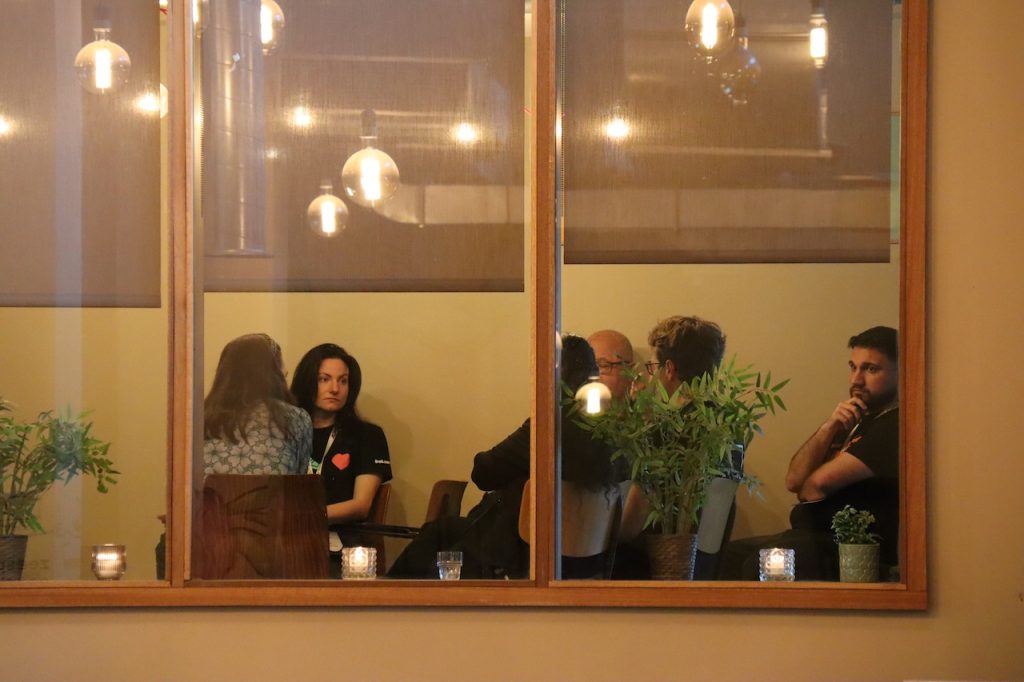
Measurecamp Unconference
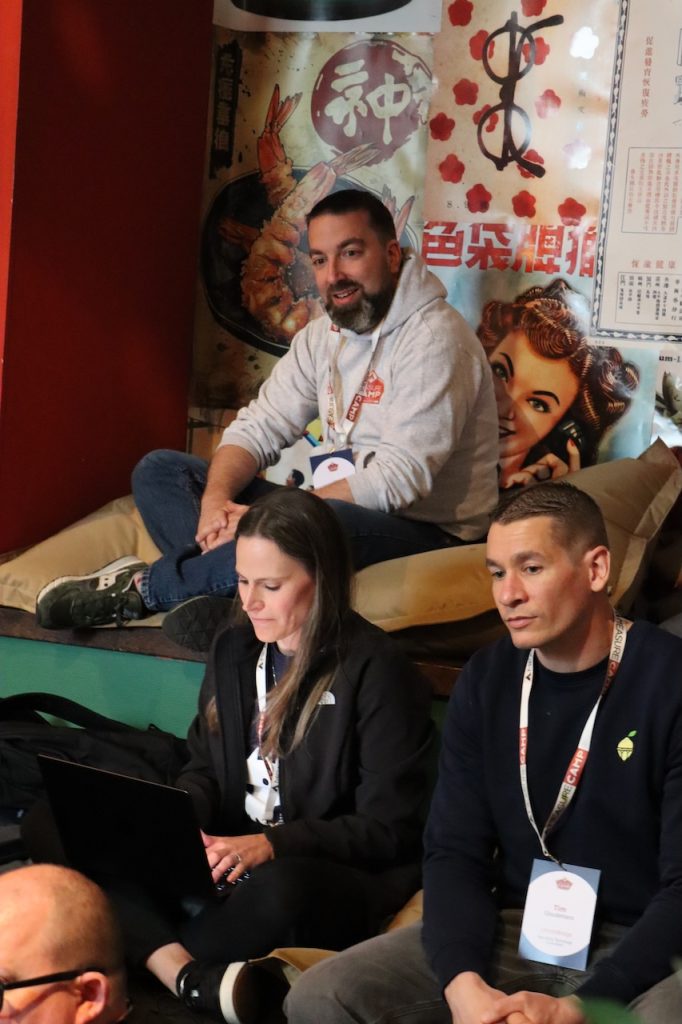
MeasureCamp is what happens when you apply that unconference format specifically to digital analytics. It brings together practitioners across the field – analysts, engineers, marketers, data scientists – all from both clients, vendors and agencies – to openly discuss how data is collected, processed, and actually used in decision-making.
The focus is (in general) on real-world challenges: broken tracking setups, messy data pipelines, unclear metrics, and evolving tooling.
Common Themes
Even without a predefined program, patterns emerge quickly. This year, a few themes dominated conversations:
1.AI is no longer “experimental”
Instead of “what can we do with AI?”, is was “how do we use this efficiently this without breaking everything?”
Discussions focused on AI-assisted analysis workflows, automation vs. trust in outputs, and where human validation still matters
- How we leverage LLMs for Data analysis
- Battle Of The LLMs: Which One Performs Best For Analytics?
- Therapy For AI Users
2. Advanced Tracking
As browser don’t play along as they used to do, many sessions were dedicated to serverside tagging and first-party data collection.
- Google Tag Gateway Vs sGTM
- Custom 1st Party Tracking
- Server-Side Tagging Use Cases
3. Data Engineering
Handling data ‘up-stream’, with more focus into data engineering, including cloud warehouses, data modeling (also using LLMs), and better SQL workflows.
- Stop Using BQ Scheduled Queries!
- How We Leverage Llms For Data Analysis
- Data Agents In BigQuery Studio First Steps
4. The Human Touch
Beyond the technical “how-to”, many sessions were about tackled the philosophy of measurement, data sovereignty, and the business value (or lack thereof) of the data being collected.
- Your Web Analytics Should Be Wrong
- Brainstorm On Data Sovereignty
- The Prediction Paradox
My sessions
Like every (un)conference, some sessions stand out more than others. Since I am less involved in technical web-analytics as I used to be a couple of years ago, I was especially interested in analysis and adoption.
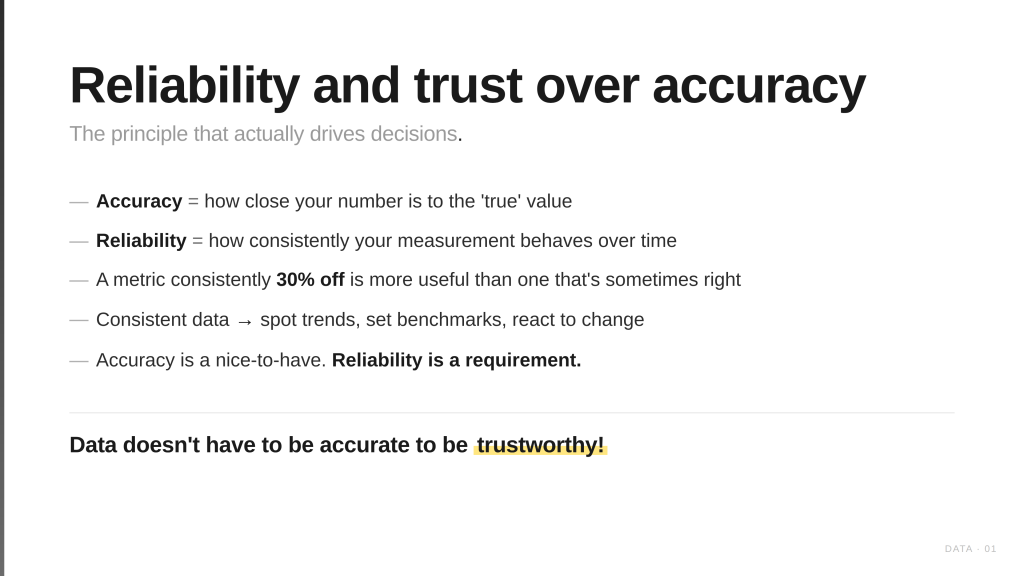
I attended several sessions, like a very insightful talk about using LLMs for Data Analysis, a discussion on the current state of Google Analytics (talking about shared frustration…), and a discussion on how to create the perfect MeasureCamp.
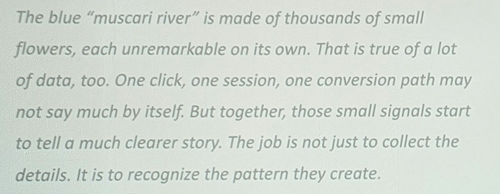
Krista Seiden gave a creative presentation that showed how inspiration can come from anywhere. Having visited the Keukenhof with Simon Vreeman the day before, she used ChatGPT to draw clever parallels between tulips and analytics.
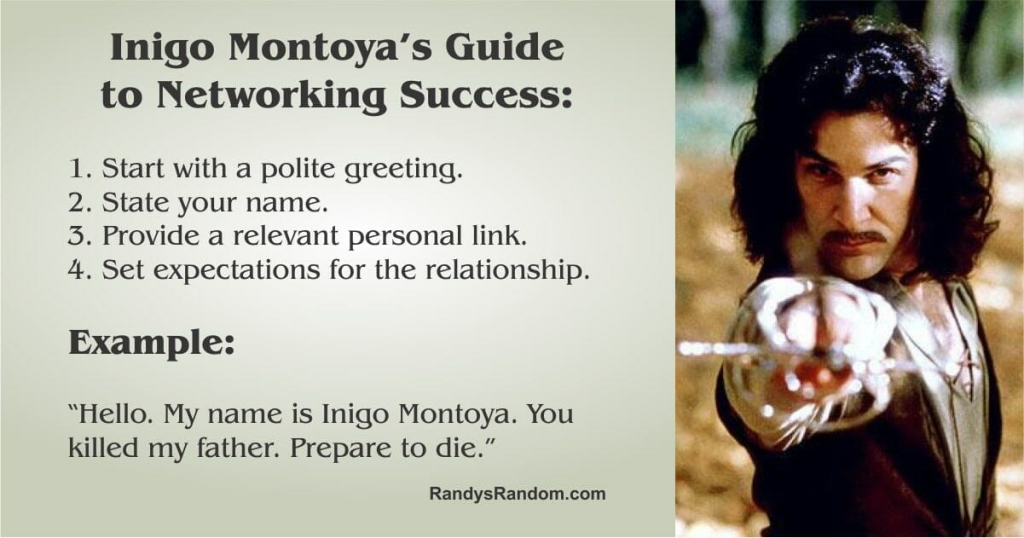
Another session (also led by Krista) was about how AI is changing analytics and the analyst. Besides being useful, but the presentation itself was also great: the story was build around the movie ‘The Princess Bride’…
Why it works so well for me
MeasureCamp keeps pulling me back, even though my day-to-day work has shifted more towards Tableau and data visualisation. The energy reminds me a lot of Tableau meetups and its Datafam events – the same curiosity, the same willingness to share rough edges, and the same drive to more forward together.
But there’s a key difference: Tableau meetups are built around a single vendor, while MeasureCamp is about a broad industry, and deliberately vendor-neutral. The unconference format brings out the best in people, full stop. Even for non-digital analysts there is enough to learn and to get inspired.
The interactivity between presenter and audience (if you can even still call them that) creates a different kind of creative energy: looser, sharper, and more honest.
The core idea still holds after 10 years and on many cities around the world:
The best learning happens when everyone contributes.
Final words.
Many thanks to the MeasureCamp organisation, and to all the participants who make it work. A blank board, a room full of curious people, and a day to figure things out together – that’s still hard to beat.